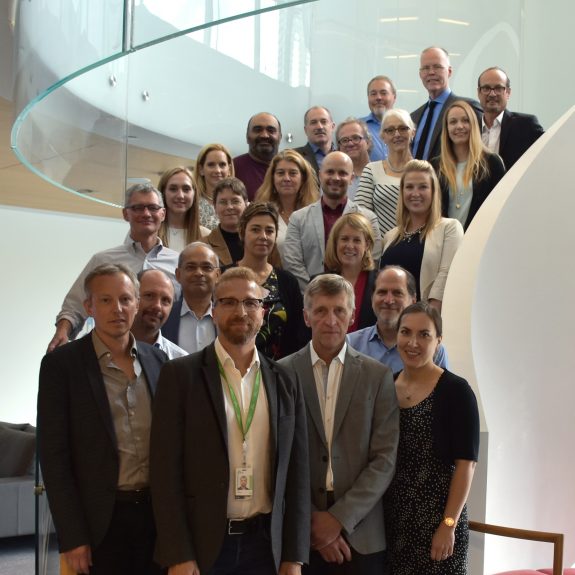
Scientific Directors
The Leadership Team provides guidance and leadership to CanPath’s pan-Canadian strategic directions, scientific priorities, continuing development and oversight of operations, including the development and approval of strategic plans, and approval of operational work plans that guide CanPath’s establishment, implementation, usage and sustainability.

Dr. Philip Awadalla
National Scientific Co-Director, CanPath
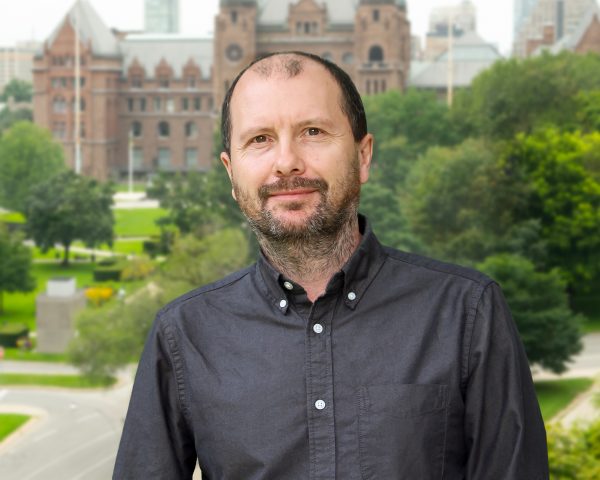
Dr. Trevor Dummer
National Scientific Co-Director, CanPath
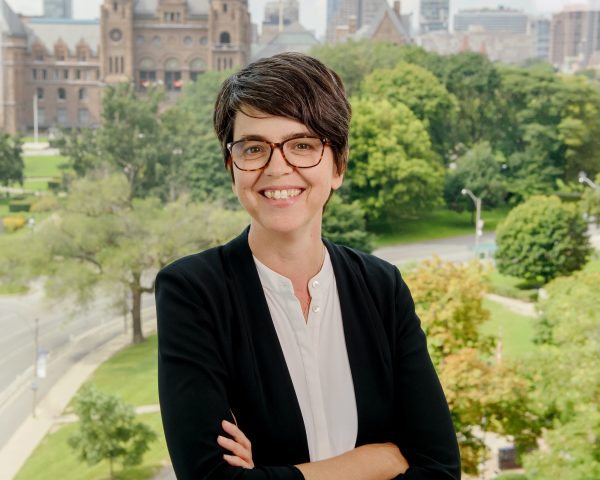
Dr. Jennifer Brooks
Executive Director, CanPath

Dr. Victoria Kirsh
National Scientific Coordinator, CanPath; Scientific Director, Ontario Health Study

Dr. Parveen Bhatti
Scientific Director,
BC Generations Project
Dr. Simon Gravel
Co-Scientific Director, CARTaGENE

Dr. Vikki Ho
Co-Scientific Director, CARTaGENE
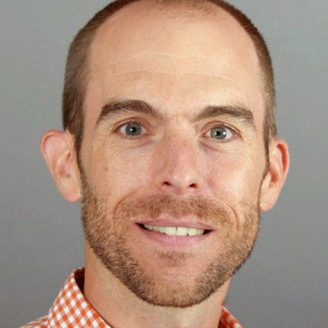
Dr. Guillaume Lettre
Co-Scientific Director of CARTaGENE

Ms. Megan Vanstone
Scientific Director, Healthy Future Sask

Dr. Donna Turner
Scientific Director, The Manitoba Tomorrow Project

Dr. Robin Urquhart
Scientific Director, Atlantic PATH

Dr. Jennifer Vena
Scientific Director, Alberta’s Tomorrow Project
Operations Committee
The CanPath Operations Committee is composed of the Scientific Directors and Operations Leads from each regional cohort, the CanPath Executive Director, the Ethical, Legal and Social Issues Standing Committee Chair, the Harmonization Standing Committee Chair, and the Biosamples Standing Committee Chair.
It provides operational input on strategic plans and scientific priorities while determining work plans for CanPath Committees, Working Groups, and potentially ad-hoc Task Forces as needed, in consultation with the Leadership Team.
- Jennifer Brooks
Executive Director, CanPath - Philip Awadalla
National Scientific Director, CanPath; Executive Scientific Director, Ontario Health Study - Trevor Dummer
National Scientific Co-Director, CanPath - Victoria Kirsh
National Scientific Coordinator, CanPath - Parveen Bhatti
Scientific Director, BC Generations Project - Simon Gravel
Co-Scientific Director, CARTaGENE - Vikki Ho
Co-Scientific Director, CARTaGENE - Travis Hrubeniuk
Project Lead, Manitoba Tomorrow Project - Catherine Labbé
Scientific Lead and Director of Operations, CARTaGENE - Guillaume Lettre
Co-Scientific Director, CARTaGENE - Kelly McDonald
Program Manager, Ontario Health Study - Treena McDonald
National Biosample Coordinator, CanPath; Project Manager, Biosamples, BC Generations Project - Kathleen Murdoch
Research Operations Lead, Alberta’s Tomorrow Project - Jean-Baptiste Rivière
Executive Director, CARTaGENE - Donna Turner
Scientific Director, The Manitoba Tomorrow Project - Robin Urquhart
Scientific Director, Atlantic PATH - Jennifer Vena
Scientific Director, Alberta’s Tomorrow Project - Peter Watson
Biosamples Standing Committee Chair - Megan Vanstone
Scientific Director, Healthy Future Sask
Advisory Boards & Committees.
The purpose of the ISAB is to advise CanPath on mechanisms to maximize the scientific value and merit of the platform, including providing advice to ensure CanPath activities meet high international standards of scientific excellence.
- Stephen Chanock, Chair
National Cancer Institute - Naomi Allen
University of Oxford - Jessica Bell
University of Warwick - Marc Gunter
Imperial College London - Teri Manolio
National Human Genome Research Institute - Alison Motsinger-Reif
National Institute of Environmental Health Sciences
A forum for sponsors, funders and key national organizations to provide advice and recommendations to the Executive Leads on the strategic direction of CanPath.
- Christine Williams, Co-Chair
Ontario Institute for Cancer Research - François Bénard
BC Cancer - Patrick Blondin
Genome Quebec - Adalsteinn Brown
Dalla Lana School of Public Health - Craig Earle
Canadian Partnership Against Cancer - Karen Efthimiou
Saskatchewan Cancer Agency - Brenda Hubley
Alberta Health Services - Sachin Katyal
CancerCare Manitoba - Jacques Michaud
CHU Saint-Justine
The Access Committee reviews and makes approval decisions on research applications submitted for CanPath data and/or biological samples. The committee is composed of 7 independent members from across Canada who have expertise in such relevant fields as biostatistics, epidemiology, and genomics.
The Biosamples Standing Committee provides sample counsel and input that have impact at the pan-Canadian level, as well as enhancing the level of sample coordination and best practice sharing at the regional level of the project.
It ensures that biosamples are collected, processed and stored in each CanPath region according to a core set of operating procedures that reflect as much consistency across the Regions as possible.
The Ethical, Legal and Social Issues Committee (ELSI) Committee is responsible for advising on governance issues and emergent ethical, legal and social issues.
It produces Statements and Discussion Papers to be disseminated within CanPath nationally and regionally. Statements and Discussion Papers covered by the mandate of the ELSI Standing Committee include, but are not limited to: governance of the CanPath project, linkage, data management and sharing in the era of systems thinking research, ethics & scientific communication, the return of results & incidental findings, and, re-consent.
The Harmonization Standing Committee coordinates cohort data activities, provides recommendations on issues that impact data harmonization and data quality at the pan-Canadian level, and establishs the expected level of coordination and best practice sharing on matters related to harmonization at the regional level.