Meet the trainee: Dr. Alex Pepetone on the HEAL study and Food Insecurity
Canada’s largest dietary and physical activity study is only made possible by the incredibly talented researchers who work to perfect the HEAL study so we can better understand how Canadians eat, move, and live. We had the wonderful opportunity to speak with Dr. Alex Pepetone, a Postdoctoral Researcher and HEAL Project Manager, who is not only using HEAL data to study food insecurity but also manages the HEAL study! Through our ongoing Trainee Spotlight Series, we want to highlight the amazing work of trainees and students supporting public health research across Canada.
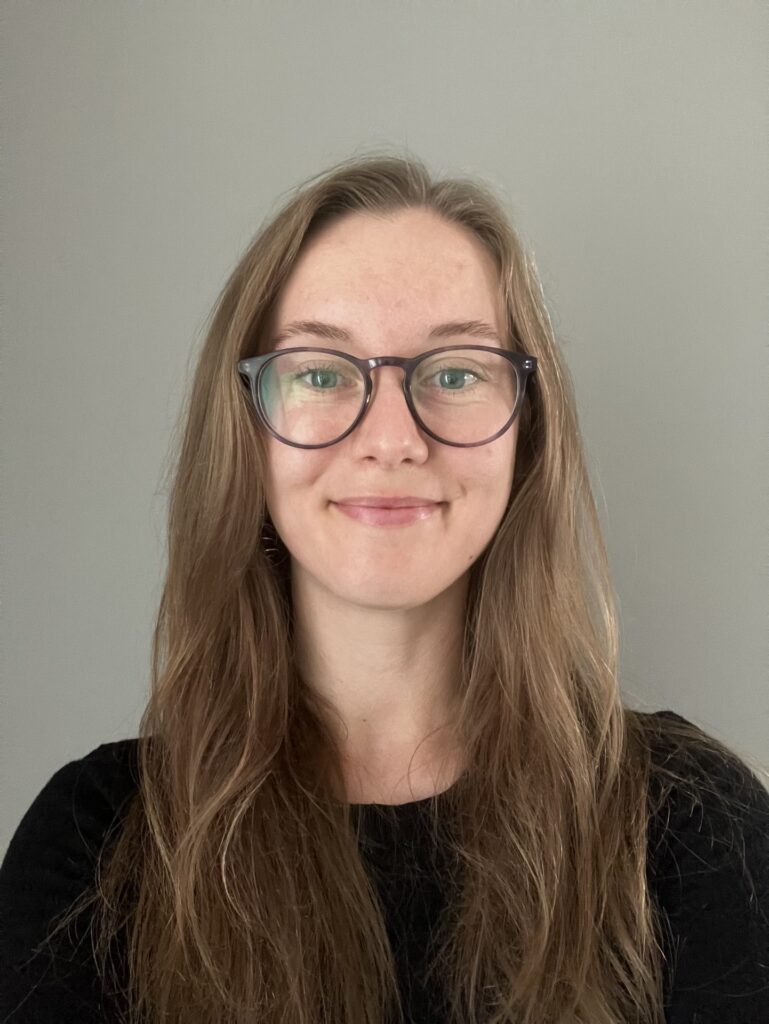
We asked Alex to give us a glimpse into her workday, share key learnings she has gained through her career journey and share advice for early-career researchers looking to get started in the field of public health and nutrition.
Q: Could you tell us a little bit about your role and what your day-to-day looks like?
I am the HEAL Project Manager and Postdoctoral Researcher working through the University of British Columbia. I am lucky to be part of a team that spans the Canadian provinces and my day changes depending on where we are in the study. In the beginning, I did a lot of work reviewing research ethics board materials and getting the back-end work in place so we could launch the study. In the middle, once people were moving through the study, questions would occasionally pop up and they would filter back to me and I would try and seek out the answer and pass those back to the study teams that are working with the participants on a day-to-day basis. Now, I’m working on some of the finishing processes, so looking at getting agreements in place so researchers can start accessing the data and working with our data harmonization team.
Q: What makes CanPath, HEAL, and CHARM valuable for the kind of research you’re supporting?
I think what makes it valuable is that we’re spanning the Canadian provinces. I think because we’re able to collect data across Canada, we’re able to get a better picture of what it looks like to live in the different provinces over the course of a year. And then I am involved with HEAL, not only as a project manager, but as someone who will be using the data, my research project actually isn’t possible without the type of data that’s being collected because I want to use all three of the dietary measurement tools. And that’s something that’s really, really unique to the HEAL study. Usually we don’t get that many dietary tools in one go, same with the physical activity data. So this is really a one-of-a-kind data set that CANPATH and HEAL bring together.
Q: Do you have any advice for other trainees or early career researchers who’re curious about using population health data?
I would say the CanPath web page is a really great place to start. They have all of the publications and approved projects posted on the web page. So you can go there, get a sense of what’s been done or what’s going to happen, and you can maybe brainstorm ideas of what is possible. I’m always really happy to share my experience. So I think for someone that’s considering entering the space, feel free to tap on the shoulder of someone who’s doing something that you find interesting. I’ve found through even my own experience reaching out for informational interviews, people are very generous with their time and are always happy to share what they’ve learned along the way.
Alex’s work is supporting the largest Canadian study dedicated to understanding how our health is influenced by our diet and physical activity and environment. HEAL would not be possible without the work of Alex and all the other amazing staff and trainees dedicated to advancing population health research. CanPath is grateful to work with such talented researchers and we look forward to highlighting more of their amazing work in future spotlights.
For more information, please contact:
Noah Frank
Research Operations Manager
Canadian Partnership for Tomorrow’s Health (CanPath)
info@canpath.ca