Meet the trainee: Fatima Zulfiqar on breast cancer disparities, big data, and health equity research in Ontario
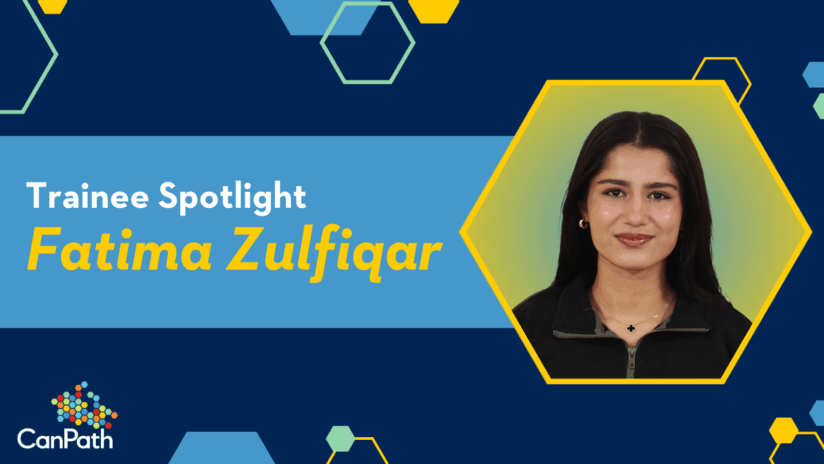
For many graduate students, a practicum is where theory meets reality, and for Fatima Zulfiqar, that moment came through working with one of Canada’s richest population health datasets. An MPH student in epidemiology, Fatima spent her practicum analyzing Ontario Health Study data to investigate whether breast cancer disparities vary by race and ethnicity. Through our Trainee Spotlight Series, we are proud to feature trainees whose curiosity and dedication are pushing population health research forward.
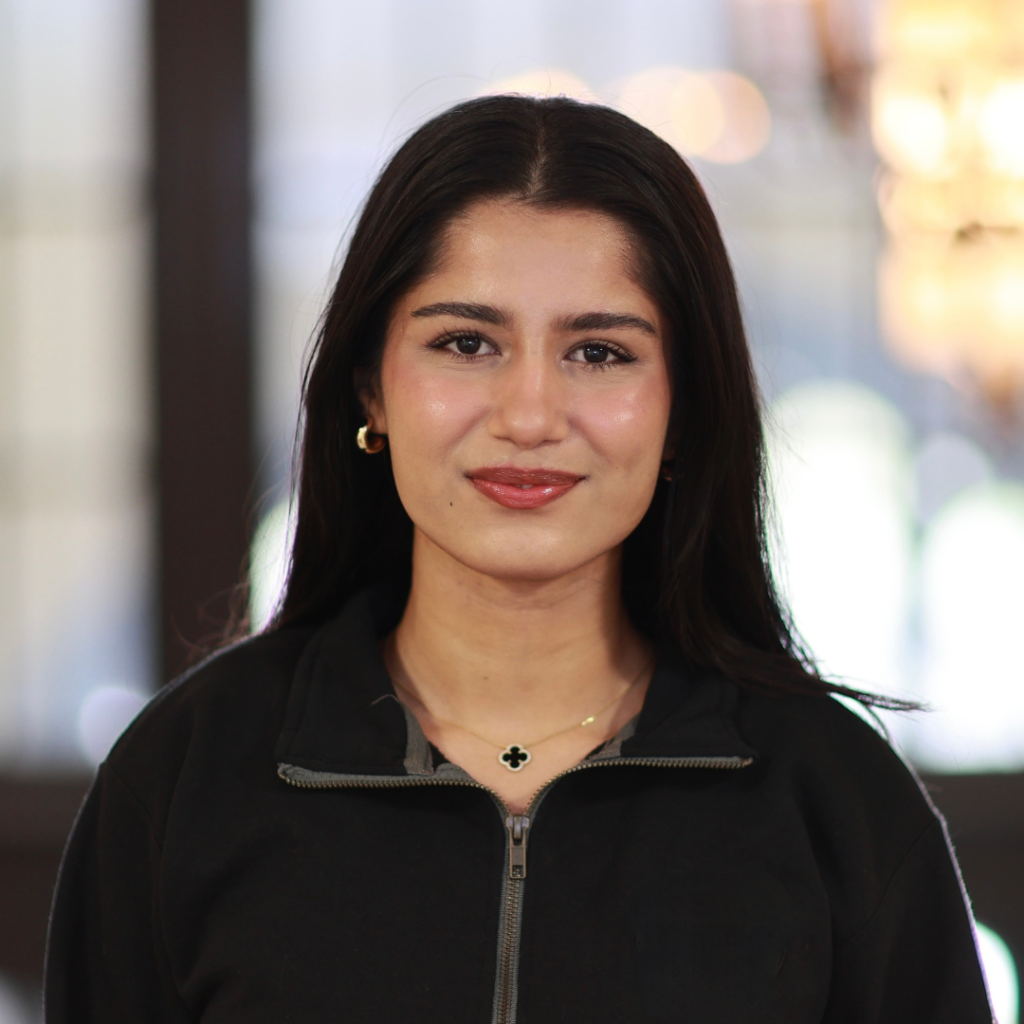
We asked Fatima to give us a glimpse of her day-to-day life as a trainee researcher, share more about her career trajectory, and offer advice for students looking to break into the field of population health research. The full interview can be found on our YouTube channel, and here are some highlights:
Q: Could you tell us a little bit about your role and what your day-to-day looks like?
“My role during my practicum was basically to be a bit of an analysis lead. We were presented with a research question, looking at whether breast cancer outcomes vary by race and ethnicity. My job was to go into the data, run descriptives, create a table one, and then do some other descriptive analyses. Day-to-day just looked like a lot of wrangling the data honestly. You have to clean it first, you have to get familiar with it, data dictionaries, understanding what a lot of these variables mean.”
Q: What is one thing you have learned about from this project that you didn’t expect to learn?
“I didn’t expect to go into the data and learn so much about how to use a data dictionary, how to clean variables, how to derive variables. Big data is messy, but it also is so fruitful in what you can extract from it, what you can learn in answering a research question.”
Q: How did working on this project shape how you see population health research?
“Although the data was diverse, there still was underrepresentation. This got me thinking a little bit more about how we conduct research and how we collect data. Maybe people aren’t privy to public health research, the importance of public health research. And maybe that needs to translate into something like knowledge translation or health promotion that really educates the general population about the importance, so that we start getting a little bit more representation in these datasets.”
Q: What would you tell another early career researcher interested in using population health data?
“Have an open mind. It’s going to be messy at first, and it might seem challenging and daunting, but you are more than capable. Once you get into that groove of understanding your data, looking at all the different possibilities with this population level data, it’s going to become exciting. You need to stick through the uncomfortableness at the beginning, but you will be glad that you stuck it through at the end.”
Q: How do you see CanPath or population health research fitting into your future career?
“I’ve always been interested in what role race and ethnicity actually plays in some of these public health outcomes. This was such a nice launch board for me because I got to see that with breast cancer, and I want to see how I can continue to investigate racial disparities in other diseases like cardiovascular disease.”
Fatima’s work with the Ontario Health Study has contributed to a growing body of research on health equity in Canada. CanPath is proud to work with dedicated trainees who are shaping the future of health research and public health work. Check out our website for more information on current projects and team members, as we will continue to share the amazing work being conducted by incredibly talented trainees and students.
For more information, please contact:
Megan Fleming
Communications & Knowledge Translation Officer
Canadian Partnership for Tomorrow’s Health (CanPath)
info@canpath.ca